1
Ford's Theatresolved
Abraham Lincoln Assassination
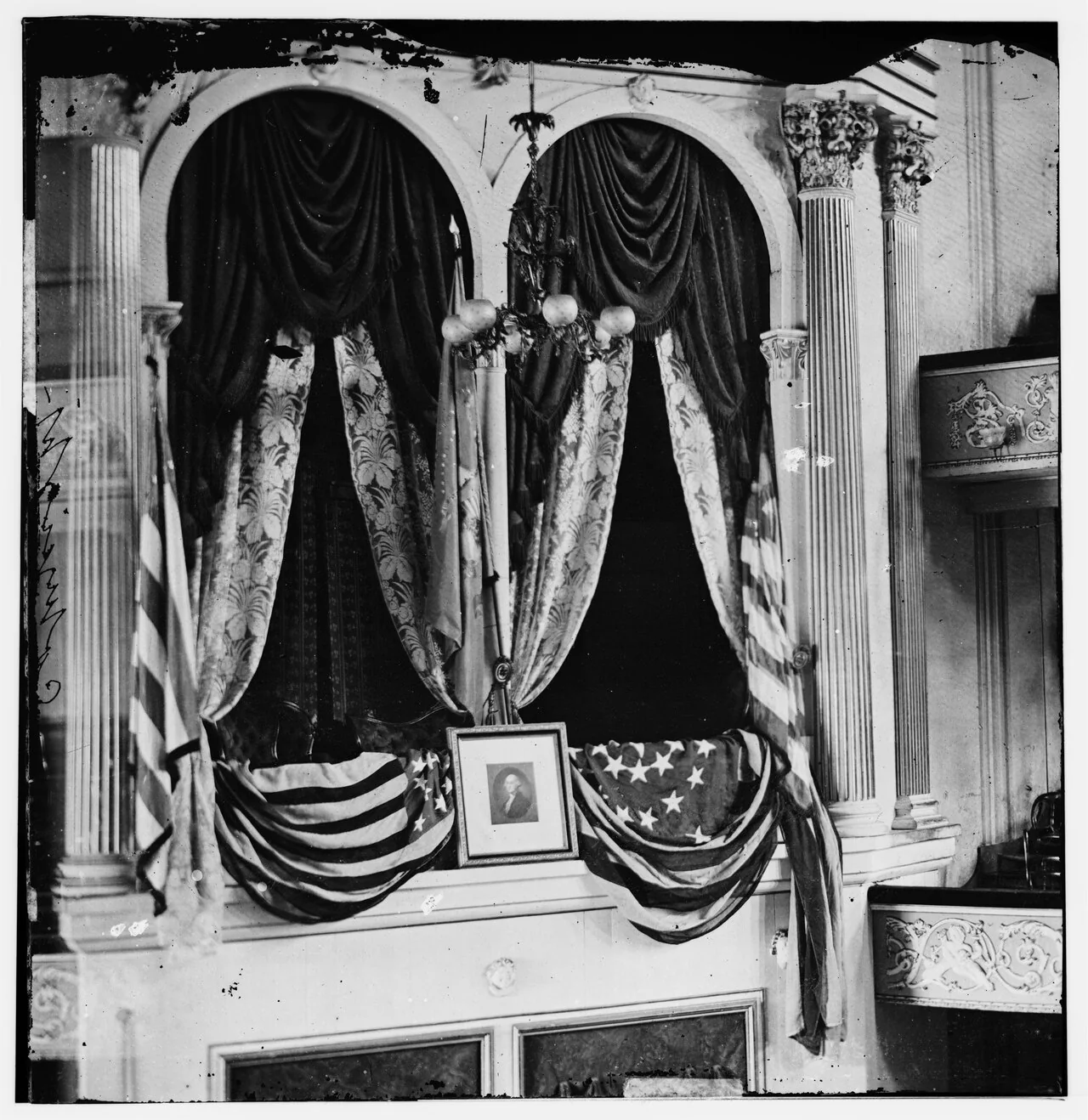
President Abraham Lincoln was shot by John Wilkes Booth at Ford's Theatre in Washington, D.C., on April 14, 1865, and died the next morning.
Curated Collection
Four assassinations that reshaped the presidency, changed national security expectations, and became defining crimes in American political history.
These four cases trace how presidential assassination changed from a Civil War-era theater conspiracy to a modern mass-media national trauma.
Viewed together, they reveal recurring patterns in public spectacle, medical response, security breakdowns, succession pressure, and the long afterlife of suspicion.
Follow the cases in this order to see the collection's shared patterns and important contrasts develop.
President Abraham Lincoln was shot by John Wilkes Booth at Ford's Theatre in Washington, D.C., on April 14, 1865, and died the next morning.
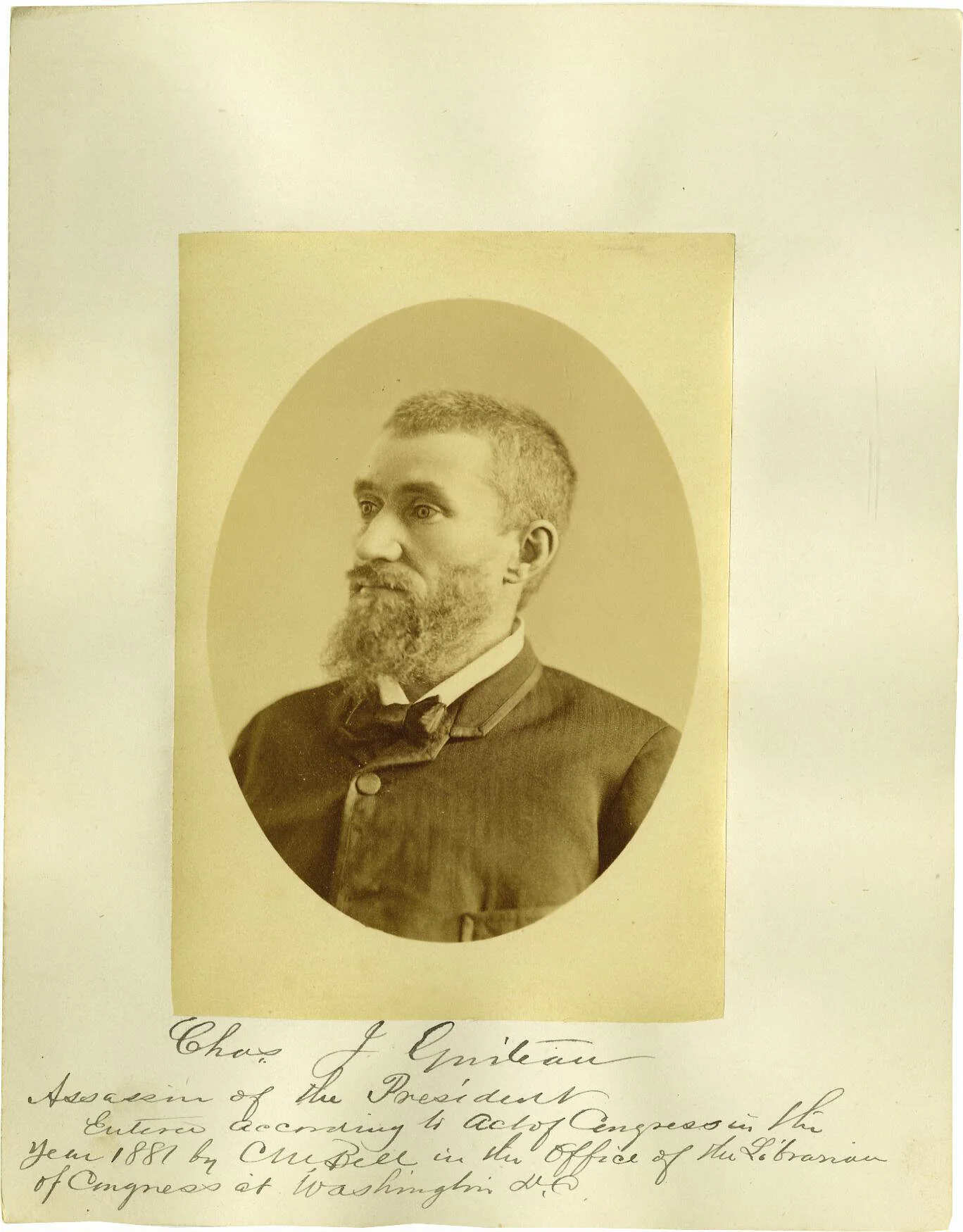
President James A. Garfield was assassinated in Washington, D.C., in 1881, a solved case remembered for the fatal medical treatment that followed the shooting.
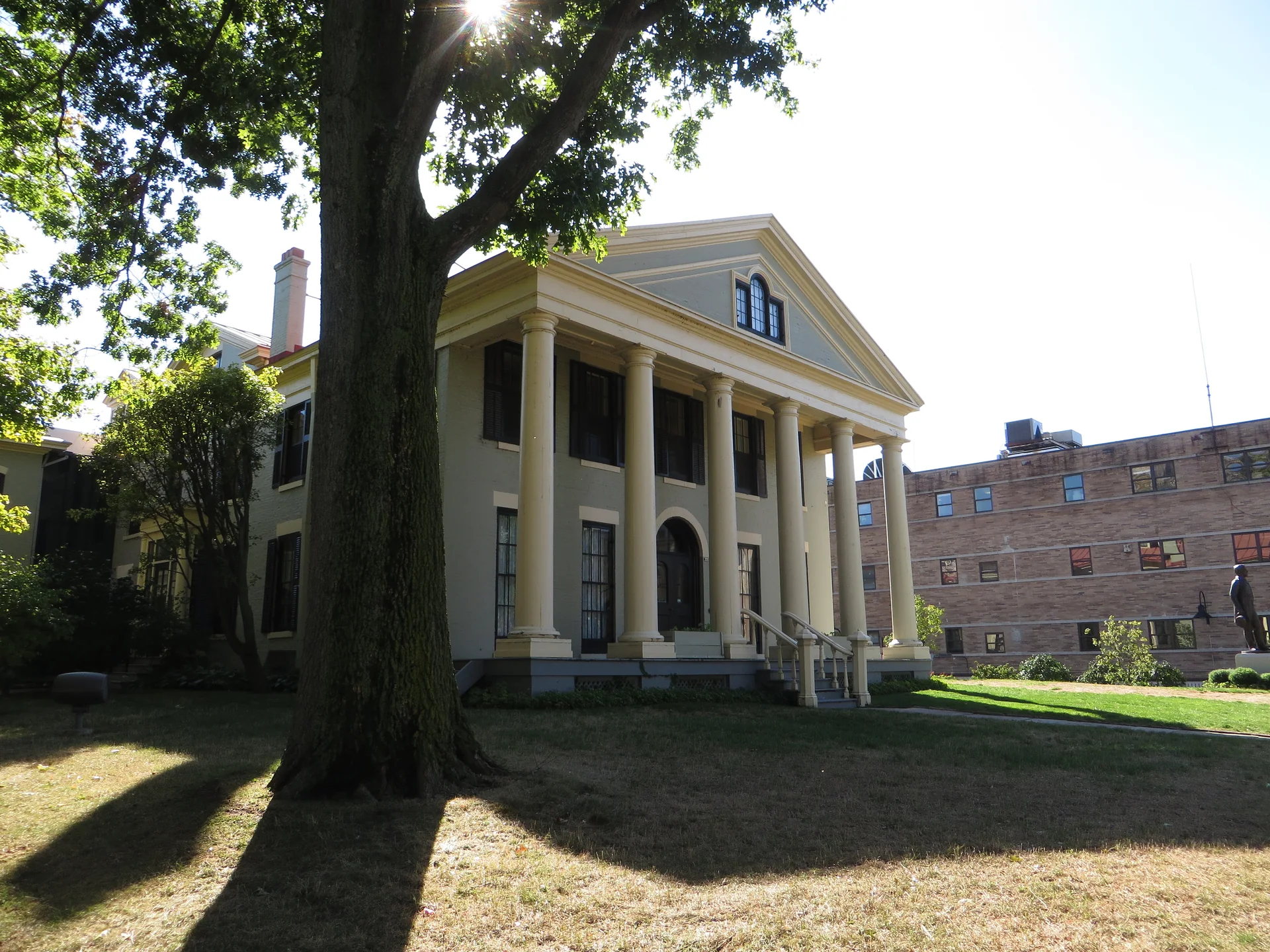
President William McKinley was shot by anarchist Leon Czolgosz at the Pan-American Exposition in Buffalo, New York, on September 6, 1901, and died on September 14 after an initially hopeful but failed recovery.
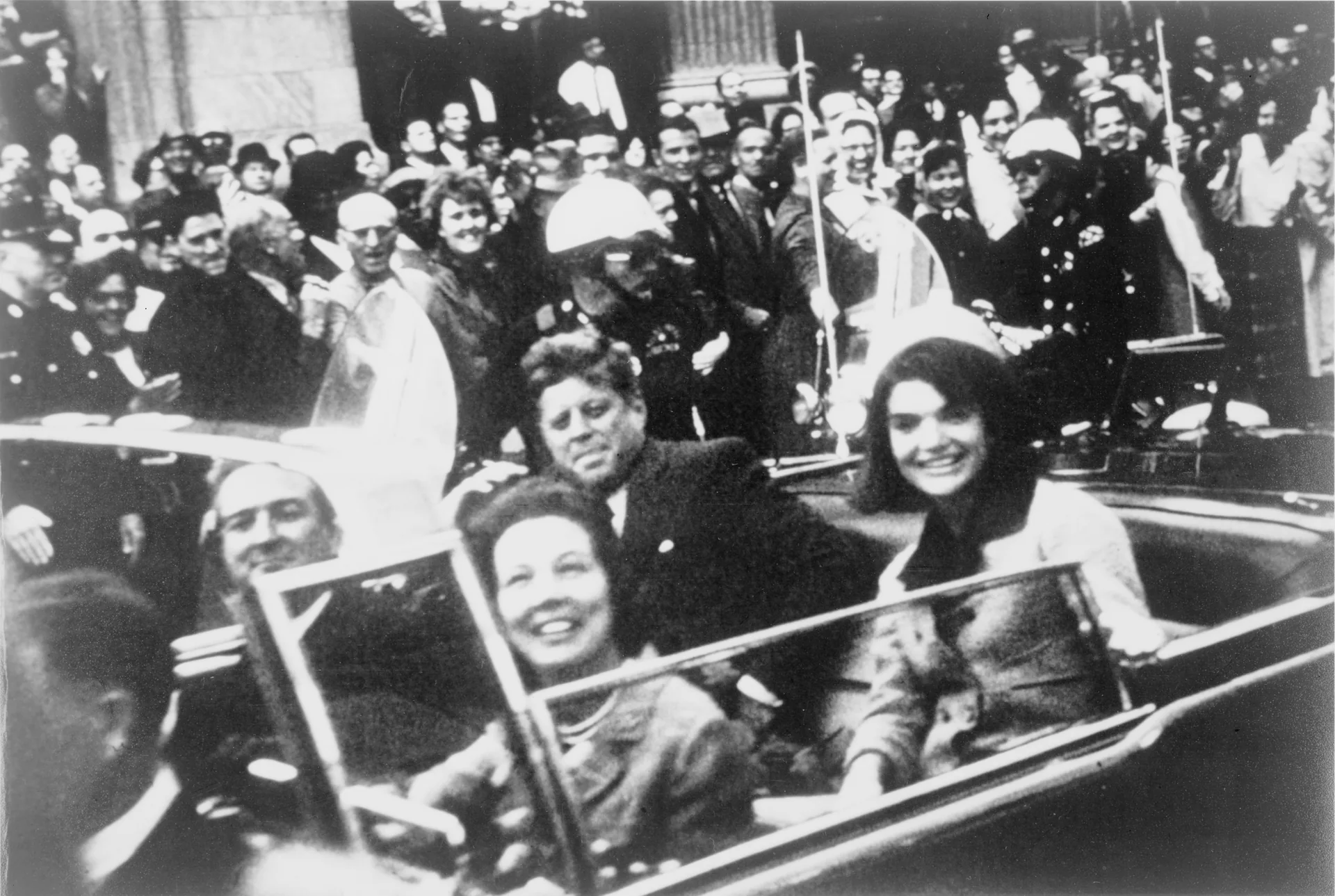
President John F. Kennedy was fatally shot in Dealey Plaza in Dallas, Texas, on November 22, 1963, during a presidential motorcade that also seriously wounded Governor John Connally.
Similarities
All four presidents were attacked in settings where proximity to the public was still treated as an expected part of political life: Lincoln in a theater box, Garfield in a railroad station, McKinley in a public receiving line, and Kennedy in an open motorcade. The cases collectively show that presidential visibility was repeatedly valued over hardened physical separation until security doctrine changed by accumulation rather than by a single reform.
The crime scene was only the beginning of the national event. In every case, the government had to absorb shock, establish continuity, and legitimize the transfer of executive authority. That is what separates these cases from other famous murders: the constitutional consequences begin almost immediately and shape how the crime is remembered.
The fatal shot was not the full story in three of the four cases. Lincoln's survival window was minimal, but Garfield and McKinley became prolonged medical dramas in which treatment decisions mattered to the outcome, and JFK's treatment became part of the evidentiary and interpretive record almost instantly. The collection shows how presidential assassination is also a history of emergency medicine, surgical limits, and public trust in medical authority.
Lincoln's murder spread through telegraph and print, Garfield and McKinley through increasingly national newspapers, and JFK through live television, photography, film, and near-instant mass replay. The sequence shows how the same underlying crime type became more visually immediate, more collectively experienced, and more permanently replayable over time.
Differences
Lincoln's assassination was part of a coordinated conspiracy that also targeted Secretary of State William H. Seward and Vice President Andrew Johnson. Garfield and McKinley are much closer to classic single-assailant attacks, with motive and custody resolved comparatively quickly. JFK differs again: the official finding is a lone gunman, but the cultural afterlife of the case remains defined by disputed evidence, secrecy battles, and repeated re-investigation.
Lincoln and Kennedy died within hours of being shot, compressing the crisis into a single overwhelming national event. Garfield survived for weeks and McKinley for days, which turned both cases into prolonged public vigils shaped by medical bulletins, hope, and collapse. That difference matters because the attack, treatment, and death became separate narrative stages in Garfield and McKinley in a way they did not for Lincoln and JFK.
Lincoln's assassination exposed vulnerability during wartime but did not yet produce a modern permanent protection model. Garfield's case heightened awareness of proximity risk without settling protection doctrine. McKinley's assassination is more directly tied to the emergence of full-time Secret Service protection for the president. JFK then transformed the scale, visibility, and expectations of presidential security in the television era.
All four assassinations generated grief and political myth, but only JFK remains an enduring mass-audience evidentiary battleground. Lincoln's conspiracy was real and prosecuted, Garfield and McKinley are historically more settled, while JFK continues to sustain dispute over ballistics, witness interpretation, records disclosure, and the legitimacy of official conclusions.
Books associated with the cases in this collection, kept in the same sequence as the cases themselves.

Abraham Lincoln Assassination
by James L. Swanson
A tightly focused narrative on the shooting, Booth's escape, and the nationwide manhunt that followed, which makes it the best single-book fit for this case.
Best for readers who want the assassination and pursuit told as a fast, deeply reported historical true-crime story.
As an Amazon Associate, True Crime Atlas may earn from qualifying purchases.
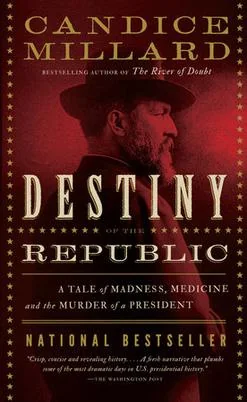
James A. Garfield Assassination
by Candice Millard
The clearest and most widely recommended narrative history of Garfield's shooting, medical ordeal, and the political world around the assassination.
Best for readers who want the assassination in full historical context, not just a narrow true-crime retelling.
As an Amazon Associate, True Crime Atlas may earn from qualifying purchases.
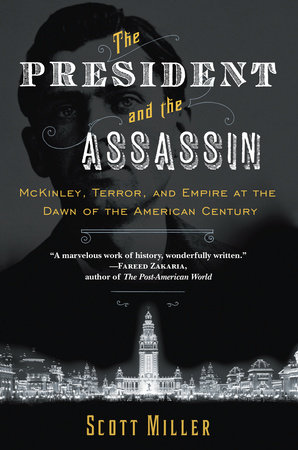
William McKinley Assassination
by Scott Miller
Best single-volume narrative on the assassination itself and the broader political climate that shaped it, including anarchism, empire, and Roosevelt’s sudden succession.
Strongest fit for this case because it keeps McKinley’s shooting at the center while still giving the larger national context.
As an Amazon Associate, True Crime Atlas may earn from qualifying purchases.
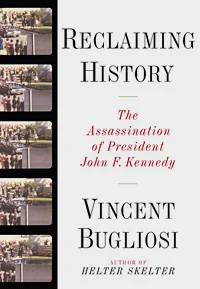
John F. Kennedy Assassination
by Vincent Bugliosi
Best single-volume deep dive for readers who want the fullest mainstream evidentiary account of the assassination, Oswald, Ruby, and the later investigations.
Most useful for this case because it is exhaustive on the primary evidence and official record, not just the motorcade itself.
As an Amazon Associate, True Crime Atlas may earn from qualifying purchases.
A stronger cross-case view of how the attack setting, assailant structure, medical course, succession, and closure differed from one presidency to the next.
| Dimension | Abraham Lincoln Assassination Ford's Theatre | James A. Garfield Assassination Baltimore and Potomac Railroad Station Site | William McKinley Assassination Temple of Music, Pan-American Exposition | John F. Kennedy Assassination Dealey Plaza |
|---|---|---|---|---|
| Attack Setting | Theater box during a public performance | Railroad station in a civilian transit space | Public receiving line at an exposition hall | Open motorcade route through a city center |
| Assailant Structure | Coordinated conspiracy with multiple intended targets | Single captured assailant acting from grievance and delusion | Single anarchist assailant captured immediately | Officially a lone gunman, but permanently disputed in public memory |
| Medical Course | Rapidly fatal head wound with little realistic chance of recovery | Weeks-long survival overshadowed by infection-aggravated treatment | Initial stabilization followed by infection and decline | Immediate trauma response that became central to later evidentiary debate |
| Succession Sequence | Andrew Johnson assumed office amid Civil War-end instability and a wider conspiracy scare | Chester A. Arthur succeeded after a prolonged medical vigil rather than same-day death | Theodore Roosevelt took office as the crisis closed after days of uncertainty | Lyndon B. Johnson was sworn in within hours on Air Force One under maximum national scrutiny |
| Investigative Closure | High closure on participants and plot structure through arrests, pursuit, and military commission | High closure through immediate capture, trial, conviction, and execution | High closure through immediate capture, trial, conviction, and execution | Official closure without courtroom adjudication of the accused, followed by recurring re-investigation |