TRUE CRIME ATLAS

James A. Garfield Assassination

Published March 11, 2026Updated April 7, 2026
SolvedVisual case overview

One shooting · 79 days of decline · a reform legacy

The assassination that unfolded for months

Charles Guiteau shot President Garfield in July 1881, but the president survived for 79 days as infection and invasive treatment turned the attack into a prolonged medical crisis.

Read the full case overview

President James A. Garfield was shot by Charles J. Guiteau at the Baltimore and Potomac Railroad Station in Washington, D.C., on July 2, 1881, and died 79 days later after infection-aggravated treatment. Guiteau was captured immediately, later convicted of murder, and executed, while the case helped reshape public debate over medical practice and the federal patronage system.

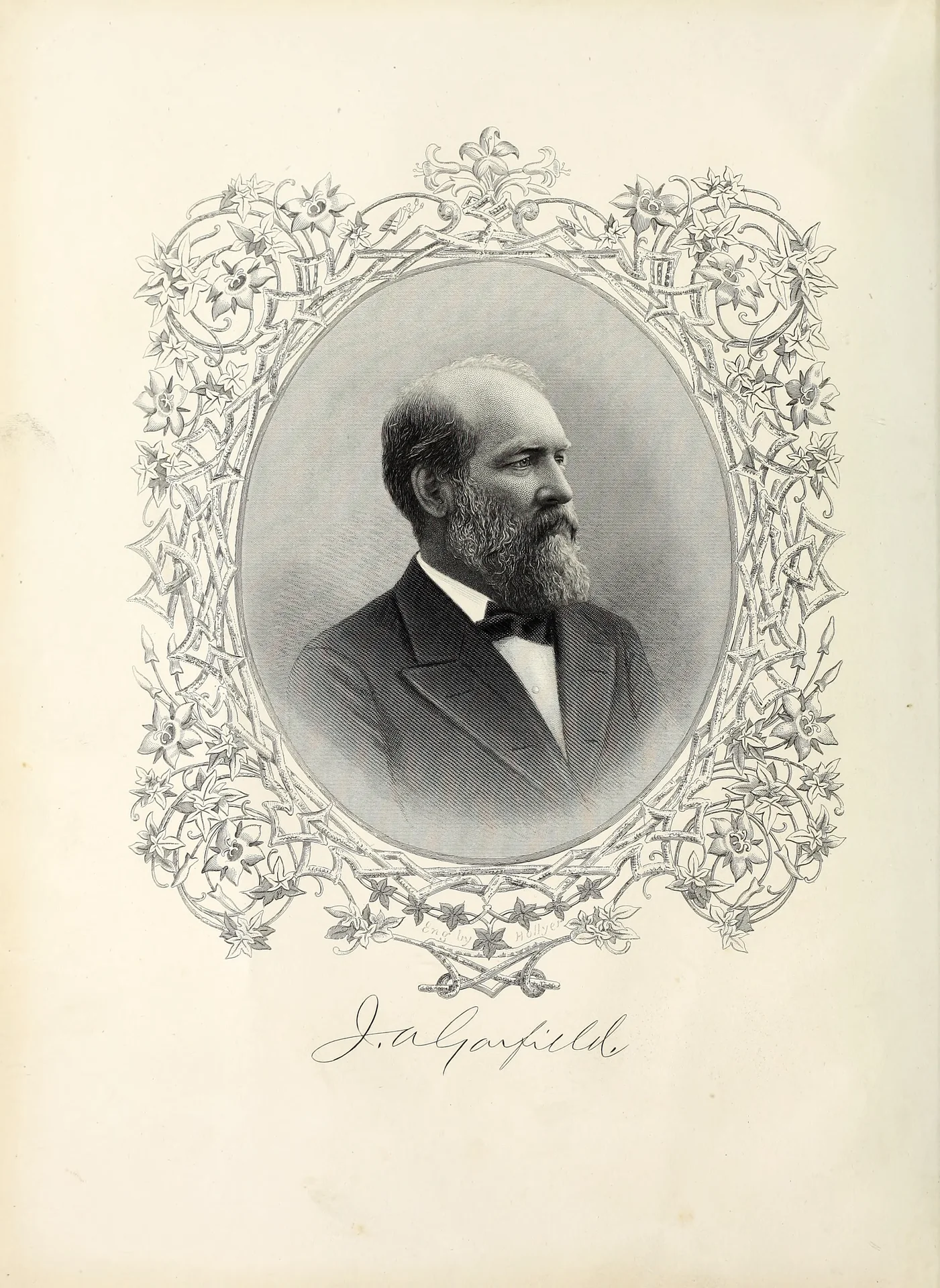
James A. Garfield engraving.jpg

President Garfield

A presidency interrupted after four months

The scale

The case in four numbers

79
days survived
between the shooting and Garfield's death
2
gunshots fired
at the Baltimore and Potomac station
4
months in office
before the July 1881 attack
1883
reform enacted
with the Pendleton Civil Service Act

A prolonged crisis

The wound became a national medical ordeal

Guiteau's attack began the case, but repeated probing, infection, and a long decline made treatment central to how Garfield died.

See all 6 mapped locations →
  1. 01

    Jun 1, 1881

    Guiteau stalks Garfield and prepares the attack

    In the weeks before July 2, Guiteau bought a revolver, followed Garfield’s movements, and waited for a public opening where he believed he could kill the president and trigger political change.

  2. 02

    Jul 2, 1881

    President Garfield is Shot by Charles Guiteau

    President Garfield was shot twice by a disgruntled office seeker, Charles J. Guiteau, as he was entering the Baltimore and Potomac Railroad Station.

  3. 03

    Jul 2, 1881

    Garfield is moved to the White House as treatment begins

    After the shooting, Garfield was transported to the White House, where Dr. D. Willard Bliss took charge of a medical effort that quickly became the center of national attention.

  4. 04

    Jul 1, 1881

    Repeated probing and infection turn the wound into a prolonged crisis

    Through July and August 1881, repeated unsterilized probing, drainage, and improvised treatment deepened Garfield’s infection and transformed a survivable gunshot wound into a fatal medical ordeal.

  5. 05

    Sep 6, 1881

    Transported to Elberon, New Jersey

    Hoping that sea air and a quieter setting might improve his condition, Garfield was transported by rail to Franklyn Cottage in Elberon, New Jersey.

  6. 06

    Sep 19, 1881

    President Garfield Dies

    President Garfield died 79 days after the shooting, succumbing to blood poisoning (sepsis) and a ruptured splenic artery aneurysm caused by the infection.

The causal chain

Attack, treatment, and political aftermath

1
From the case record

Charles Guiteau stalked Garfield after his patronage grievance hardened into a personal fixation.

2
From the case record

Garfield survived the initial shooting but deteriorated during weeks of invasive treatment and infection.

3
From the case record

The assassination intensified pressure to replace patronage with a professional civil service.

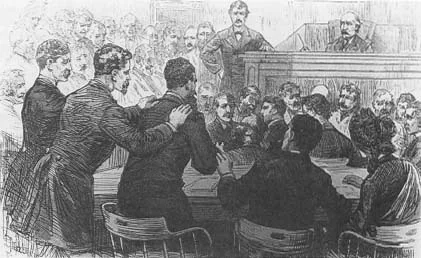
Charles J. Guiteau s trial.jpg
1882
trial year

The assassin put motive and responsibility on trial

Guiteau's proceedings tested insanity arguments, causation, and the claim that medical treatment rather than the gunshot killed the president.

See the historical record

Where certainty changes

Not every event carries the same weight

Open each layer to see what the archive treats as core, contested, or unresolved.

01EstablishedGuiteau shot Garfield and was convicted
The attack, identification of the shooter, trial, verdict, and execution are firmly documented.
02Medical debateTreatment materially shaped Garfield's decline
The wound initiated the crisis, while infection and repeated probing remain central to historical debate about preventability and medical responsibility.
03Open questionHow survivable was the original wound?
Retrospective medicine can identify harmful practices, but it cannot recreate with certainty the outcome under modern care.

Go deeper

Choose your path through the case

This overview is the map. The case tabs hold the underlying events, people, media, locations, and source material.