1
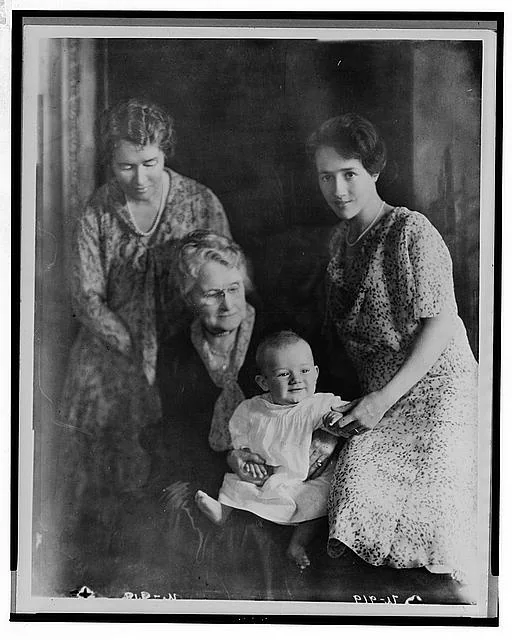
Highfields — Lindbergh family homesolved
Lindbergh Kidnapping
The 1932 abduction and murder of Charles Lindbergh Jr. led to a traced ransom, a landmark forensic prosecution, and Bruno Richard Hauptmann's conviction.
Curated Collection
Four high-profile abduction cases spanning ransom, prolonged captivity, mass victimization, and courtroom battles over responsibility.
These four cases show how abduction can serve very different aims: ransom, political coercion, and the seizure of a large group of victims. Each began with a sudden removal from an ordinary setting and developed into a prolonged investigation or public crisis.
The cases also differ in how they ended. The Lindbergh and Getty kidnappings involved ransom demands and international attention; the Patty Hearst case developed into a wider series of crimes and a contested trial; and the Chowchilla kidnapping ended with the escape of all 27 captives and convictions of the three kidnappers.
Follow the cases in this order to see the collection's shared patterns and important contrasts develop.
The 1932 abduction and murder of Charles Lindbergh Jr. led to a traced ransom, a landmark forensic prosecution, and Bruno Richard Hauptmann's conviction.
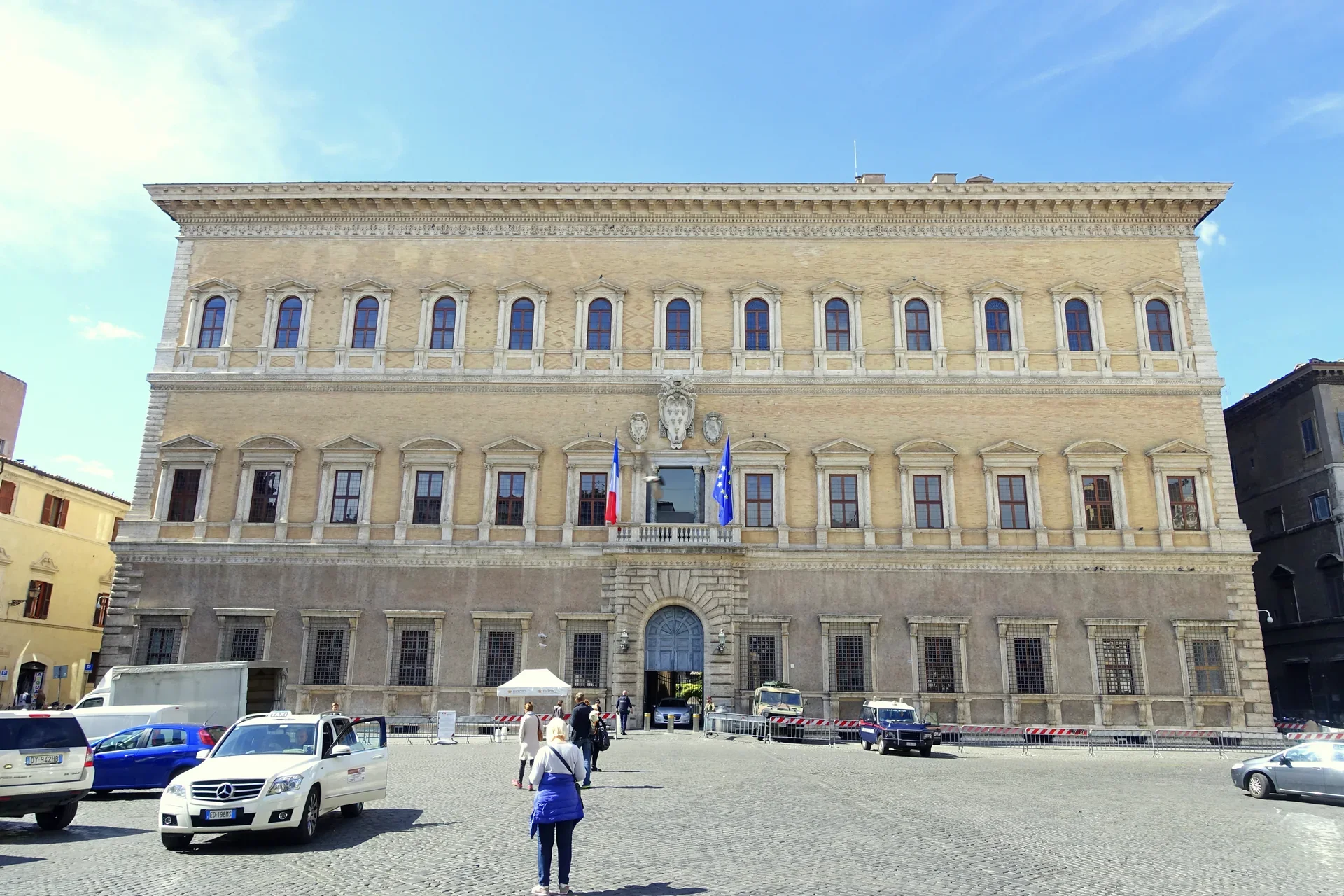
John Paul Getty III’s 1973 abduction in Rome led to months of captivity, a negotiated ransom payment and an Italian trial with two convictions.
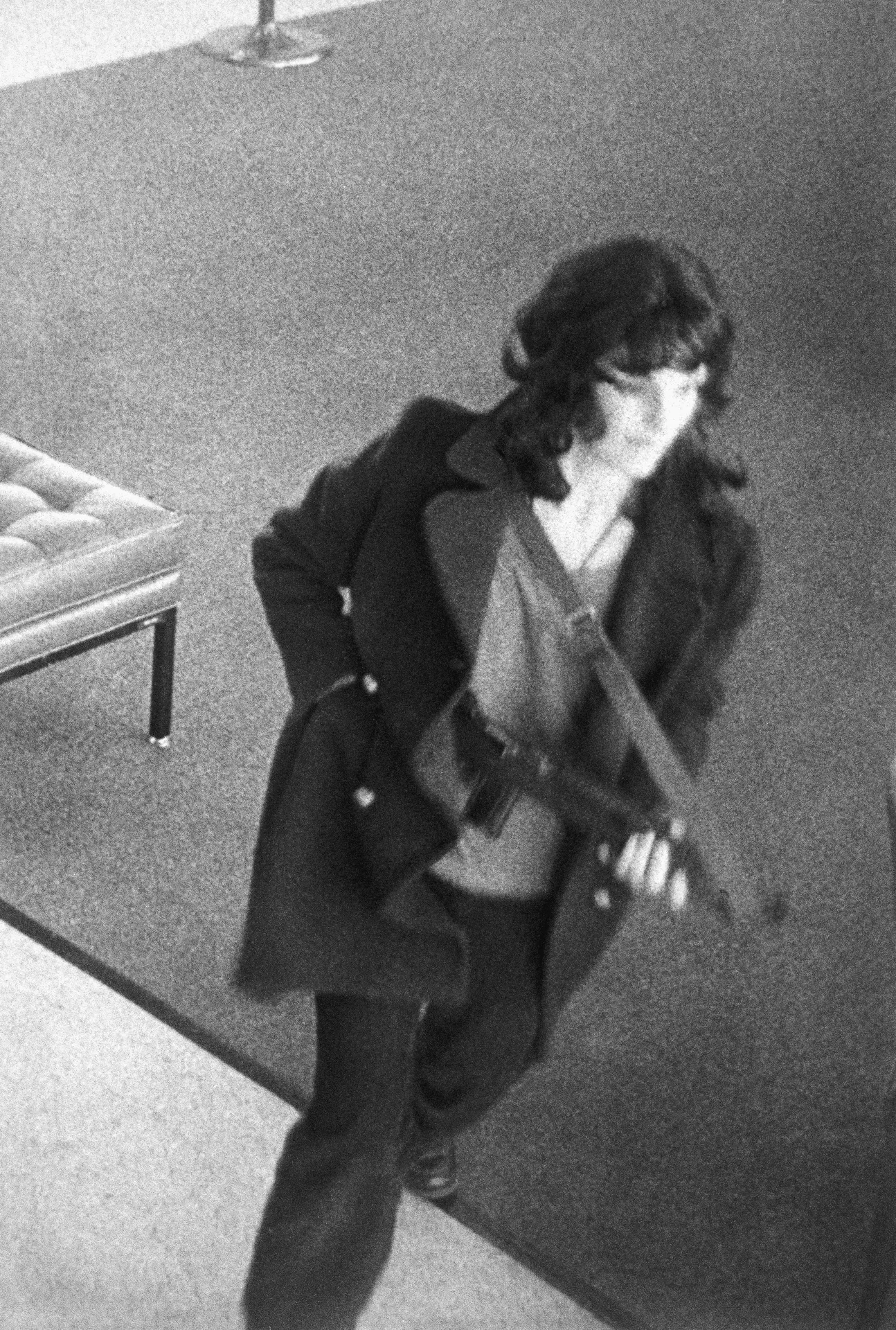
The SLA abducted Patty Hearst in Berkeley in 1974. Ransom demands, bank robberies and a nationwide search led to her arrest and federal trial.
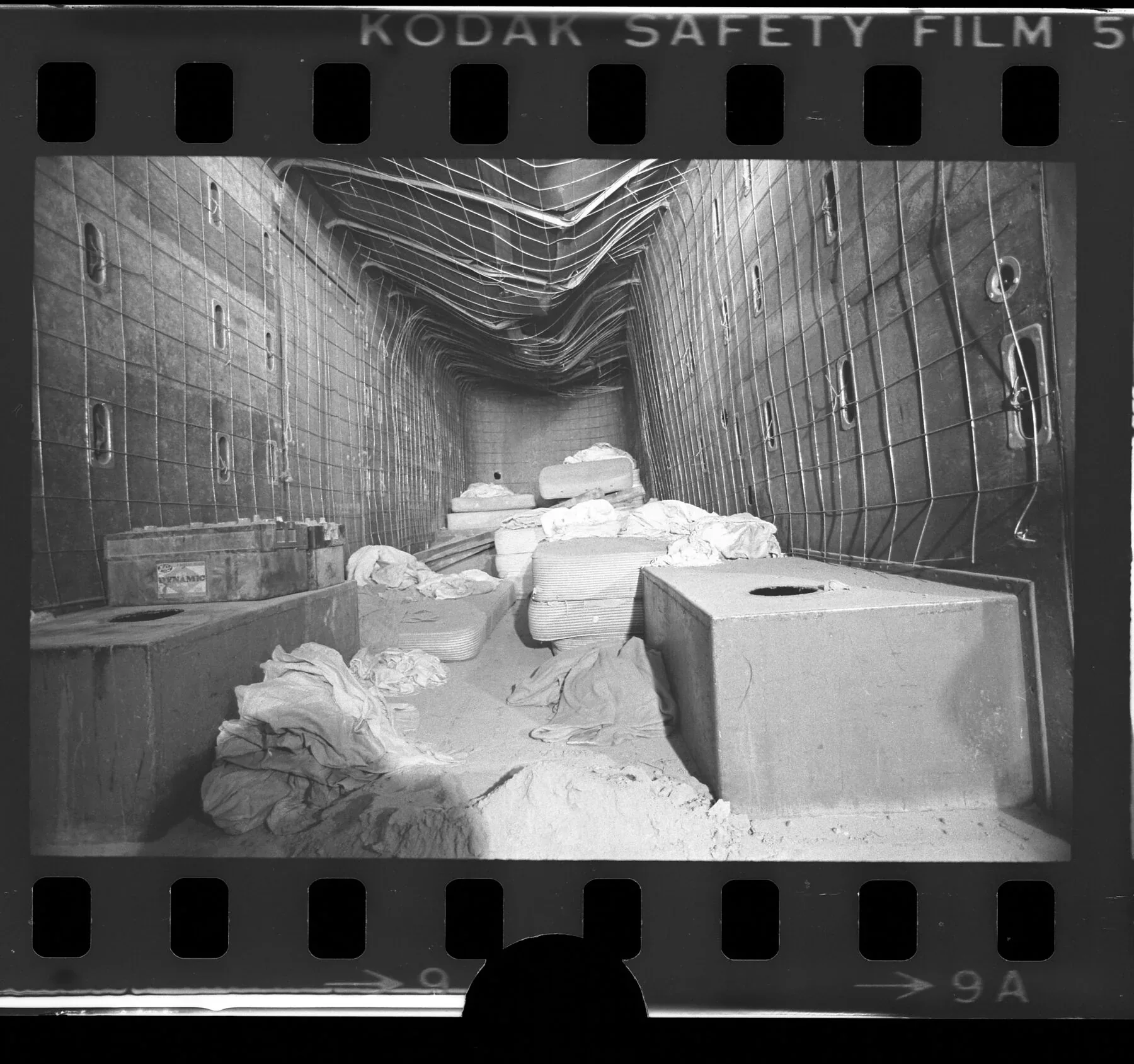
In 1976, 26 California schoolchildren and their bus driver were abducted and imprisoned in a buried trailer. Their escape led to three convictions and decades of legal aftermath.
Similarities
The victims were removed from familiar settings and moved into the kidnappers’ control. Families, police, and—in the Lindbergh, Getty, and Hearst cases—media and public audiences then had to respond to demands or locate the captive. Chowchilla differed in scale, but the search for the missing bus and its passengers likewise became a large, urgent operation.
Charles Lindbergh Jr. was killed before he could be recovered. John Paul Getty III was held for months before his release. Patty Hearst remained captive for roughly two months before appearing in a bank robbery and later being arrested. The Chowchilla victims escaped after being held in a buried trailer for about 16 hours.
Differences
The Lindbergh and Getty cases centered on ransom demands. The Symbionese Liberation Army presented Patty Hearst’s abduction as part of a political campaign and used demands directed at her family. The Chowchilla kidnappers sought ransom for the children and driver, though the captives escaped before payment.
The Lindbergh and Getty kidnappings targeted one child or young adult. Hearst was also one captive, but her abduction became part of an armed group’s wider activity. Chowchilla involved 26 schoolchildren and their bus driver, who were transported together and confined in a buried trailer.
A stronger cross-case view of how the attack setting, assailant structure, medical course, succession, and closure differed from one presidency to the next.
| Dimension | Lindbergh Kidnapping Highfields — Lindbergh family home | John Paul Getty III Kidnapping Piazza Farnese — reported abduction area | Patty Hearst Kidnapping 2603 Benvenue Avenue — abduction address | Chowchilla Bus Kidnapping Chowchilla — community context |
|---|---|---|---|---|
| Victims abducted | Charles Lindbergh Jr. | John Paul Getty III | Patty Hearst | 26 children and bus driver Ed Ray |
| Primary demand or stated aim | Ransom | Ransom | Political demands and coercion | Ransom |
| Outcome | Victim found dead; Hauptmann convicted and executed | Getty released after ransom; two kidnappers convicted | Hearst arrested and convicted in federal court; sentence later commuted | All 27 captives escaped; three kidnappers convicted |