TRUE CRIME ATLAS

Black Dahlia

Published March 31, 2026Updated April 2, 2026
UnsolvedVisual case overview

Six missing days · one authenticated package · no resolution

The Black Dahlia case, reconstructed

Elizabeth Short was last seen in Los Angeles six days before her body was discovered in January 1947. An authenticated package followed, but no suspect was ever charged.

Read the full case overview

The Black Dahlia case concerns the unsolved homicide of Elizabeth Short, whose mutilated body was found in Los Angeles, California, on January 15, 1947. Short's killing drew intense national press coverage, generated hundreds of leads and confessions, and remains one of the most famous unsolved murder investigations in U.S. history.

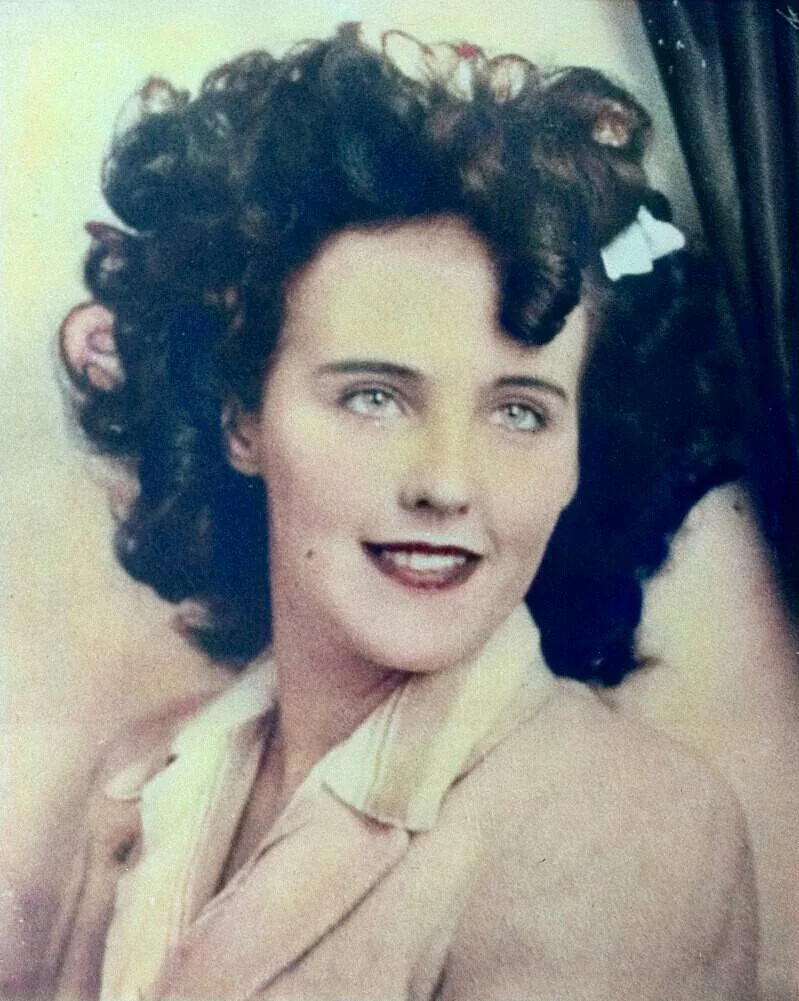
Elizabeth Short (Colorized version).jpg

Elizabeth Short

A life eclipsed by a headline

The scale

The case in four numbers

1
victim
Elizabeth Short, age 22
6
missing days
between last sighting and discovery
6
theories mapped
from cleared leads to contested suspects
1
authenticated package
containing Short's belongings

The critical window

Six days became the center of the mystery

The strongest chronology runs from Short's last confirmed sighting through the discovery, autopsy, and authenticated package sent to newspapers.

See all 14 mapped locations →
  1. 01

    Jan 9, 1947

    Last Confirmed Sighting of Elizabeth Short

    Robert "Red" Manley dropped Elizabeth Short off at the Biltmore Hotel in Los Angeles. She was last seen making phone calls from the hotel lobby.

  2. 02

    Jan 14, 1947

    Estimated Time of Death

    Elizabeth Short was murdered, likely sometime during the evening of January 14 or the early morning hours of January 15, as medical examiners determined she had been dead for about ten hours prior to the discovery of her body.

  3. 03

    Jan 15, 1947

    Discovery of Elizabeth Short's Body

    Elizabeth Short's naked, bisected, and severely mutilated body was discovered by Betty Bersinger in a vacant lot on South Norton Avenue in Leimert Park, Los Angeles.

  4. 04

    Jan 16, 1947

    Autopsy Performed

    An autopsy on Elizabeth Short's body was performed by Los Angeles County coroner Frederick Newbarr.

  5. 05

    Jan 24, 1947

    Killer Sends Package to Newspapers

    A manila envelope addressed to "The Los Angeles Examiner and other Los Angeles papers" was discovered, containing Elizabeth Short's birth certificate, business cards, photographs, and an address book, all cleaned with gasoline.

What the record establishes

The documented core

1
Supported

Elizabeth Short was last confirmed alive after Robert Manley dropped her at the Biltmore Hotel on January 9, 1947.

2
Supported

A package sent to newspapers contained Elizabeth Short’s personal items and became a major authenticated investigative event.

3
Strongly supported

The FBI and public-record sources in the case file document the investigation but do not identify a publicly accepted killer.

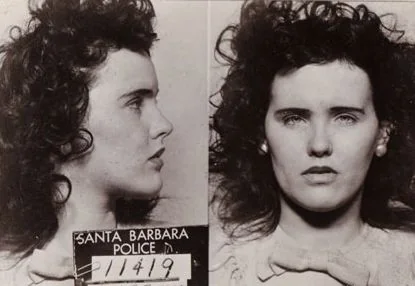
Black Dahlia Mugshot.jpg
1947
year of the murder

A murder transformed into a mythology

Intense press coverage generated enduring public fascination, but also false confessions, weak leads, and suspect narratives that can obscure the primary record.

See the visual archive

Where certainty changes

Not every event carries the same weight

Open each layer to see what the archive treats as core, contested, or unresolved.

01EstablishedThe last sighting, discovery, autopsy, and newspaper package
These events form the best-documented core of the case. They establish the critical window and include material closely connected to Elizabeth Short, but they do not identify her killer.
02ContestedProminent suspect theories remain allegations
George Hodel and Leslie Dillon remain historically important suspect theories. Neither is represented in this case file as an official resolution, and anatomical-background arguments are not decisive on their own.
03Open questionWhat happened during the six missing days?
The gap between Short's last confirmed sighting and her death remains central. The surviving public record does not establish where she was held, who sent the package, or whether modern forensic review can resolve the case.

Go deeper

Choose your path through the case

This overview is the map. The case tabs hold the underlying events, people, media, locations, and source material.