1
Glasgow Central Stationsolved
Great Train Robbery
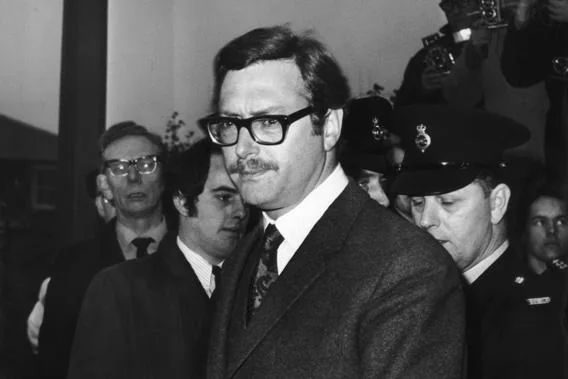
The 1963 armed robbery of a Glasgow-to-London Royal Mail train at Ledburn, Buckinghamshire, netted about £2.6 million and prompted one of Britain’s largest manhunts.
Curated Collection
Four landmark heists spanning an armed train robbery, a museum deception, a high-security diamond-vault breach, and an industrial-scale tunnel burglary.
These four cases show that a great heist is rarely defined by the value of the haul alone. Each depended on a different form of access: stopping a moving train, exploiting institutional trust, defeating layered electronic security, or approaching a vault from beneath the street.
Viewed together, they reveal a consistent divide between executing the theft and surviving its aftermath. Months or years of planning could be undone by an abandoned hideout, careless refuse, conspicuous spending, informants, or the simple difficulty of converting famous or traceable property into usable wealth.
Follow the cases in this order to see the collection's shared patterns and important contrasts develop.
The 1963 armed robbery of a Glasgow-to-London Royal Mail train at Ledburn, Buckinghamshire, netted about £2.6 million and prompted one of Britain’s largest manhunts.
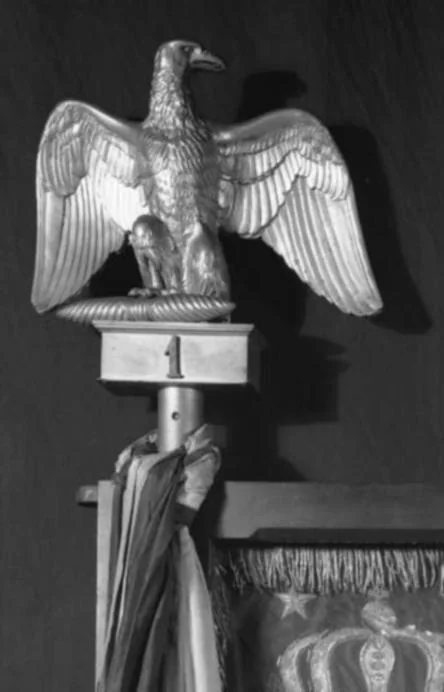
The 1990 theft of 13 works from Boston’s Isabella Stewart Gardner Museum remains the world’s largest-value unsolved property crime.
Over the weekend of February 15–16, 2003, an Italian burglary crew breached the Antwerp Diamond Center’s underground vault and removed valuables reported at more than $100 million.

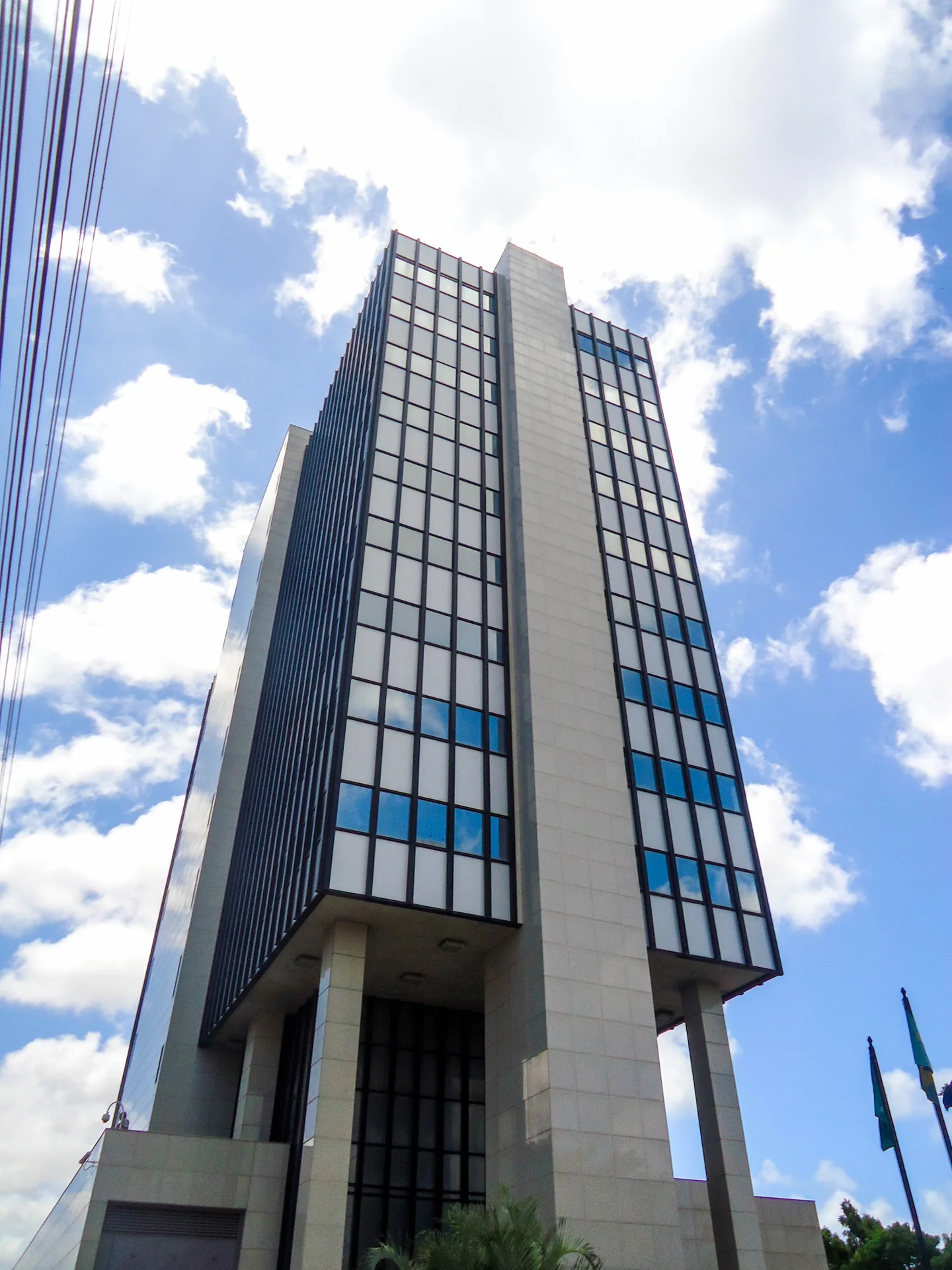
In August 2005, a large crew tunneled into the Central Bank's Fortaleza vault and removed exactly R$164,755,150 in circulated banknotes.
Similarities
All four crews created an opening before the central crime began. The train robbers studied Royal Mail movements and manipulated railway signals; the Gardner thieves arrived during a vulnerable overnight shift disguised as police; the Antwerp crew cultivated tenant access and studied the vault; and the Fortaleza gang operated a business front while excavating for months. Even where weapons were present, advance knowledge and controlled access did the decisive work.
The crews did not attack each institution at its strongest point. The train was stopped remotely and isolated; the museum's guards admitted the offenders themselves; Antwerp's alarms were neutralized while apparently remaining armed; and Banco Central's vault was entered through its reinforced floor. The common lesson is architectural and procedural: formidable protection can fail when its designers assume the threat will approach in a familiar way.
Execution at the target was often cleaner than the aftermath. Fingerprints and abandoned material at Leatherslade Farm helped expose the train gang. Gardner investigators relied on later intelligence, criminal associations, and attempts to locate or return the art. Antwerp detectives broke the case through refuse discarded beside a motorway. Fortaleza investigators followed vehicles, travel, property, spending, testimony, and recovered banknotes through a much wider proceeds network.
Every haul presented a conversion problem. Stolen cash was bulky and dangerous to spend conspicuously; diamonds and jewelry had to be separated from their documented origins; and the Gardner works were both famous and effectively unsellable on the legitimate market. The cases distinguish stealing valuable property from safely possessing, laundering, or selling it.
Differences
The Great Train Robbery was an armed interception of a moving target. Gardner was a confidence trick that became an indoor restraint and art theft. Antwerp was a compact technical burglary against layered vault security. Banco Central was an infrastructure project requiring excavation, reinforcement, ventilation, logistics, and a very large labor network. Their shared label should not obscure how different the crimes were in practice.
The train, Antwerp, and Fortaleza cases produced substantial convictions and identified core participants, although proceeds and some roles remain unresolved. Gardner is different: the two intruders have never been charged, the works remain missing, and the public account depends on investigative assessments rather than courtroom-tested proof. A solved heist can still have an unresolved haul; an unsolved heist lacks both offender adjudication and property recovery.
The Great Train Robbery required a sizeable operational gang, while Gardner may have involved two intruders supported by a still-disputed criminal network. Antwerp's core burglary team was small and specialized. Banco Central involved more than thirty direct participants and a broader transport and laundering structure. Increasing scale brought capability, but it also multiplied witnesses, transactions, relationships, and opportunities for disclosure.
The train robbery used weapons and violence against driver Jack Mills. The Gardner thieves restrained two guards after gaining entry by deception. Antwerp and Banco Central were designed as closed-site burglaries that avoided confronting occupants altogether. This difference shaped charges, public memory, and the operational pressure placed on each crew during the theft.
A stronger cross-case view of how the attack setting, assailant structure, medical course, succession, and closure differed from one presidency to the next.
| Dimension | Great Train Robbery Glasgow Central Station | Isabella Stewart Gardner Museum Heist Isabella Stewart Gardner Museum | Antwerp Diamond Heist Antwerp Diamond Center | Banco Central Burglary Banco Central do Brasil — Fortaleza regional office |
|---|---|---|---|---|
| Primary Target | Royal Mail cash aboard a Glasgow-to-London travelling post-office train | Thirteen artworks and objects from the Isabella Stewart Gardner Museum | Diamonds, jewelry, precious metals, currency, and documents in private safe-deposit boxes | R$164,755,150 in circulated R$50 banknotes inside a Central Bank cash vault |
| Access Method | False signal stopped the train before an armed takeover and transfer to vehicles | Police disguise persuaded a guard to violate procedure and admit the thieves | Tenant access and surveillance supported a technical bypass of alarms and vault controls | A synthetic-turf front concealed construction of a reinforced tunnel into the vault floor |
| Decisive Investigative Break | Leatherslade Farm, fingerprints, associates, informants, and spending patterns | Surveillance review, criminal intelligence, later informants, and tracing the art through underworld networks | Discarded refuse containing documents, DNA, receipts, contact material, and gemstones | The tunnel property followed by vehicles, travel records, cash recoveries, confessions, and financial activity |
| Property Recovery | Only part of the cash was recovered; much of the haul was spent, divided, or disappeared | None of the thirteen stolen works has been recovered | Almost all of the diamonds and other valuables remain unaccounted for | Only a minority of the stolen cash was recovered; most remains missing or was laundered |
| Investigative Closure | Core gang identified and convicted, with some participants and proceeds unresolved | Unsolved: no intruder has been charged and the art remains missing | Four principal participants convicted; at least one specialist remained unidentified | Extensive convictions across the burglary and proceeds network, but disputed hierarchy and missing cash remain |