TRUE CRIME ATLAS

Setagaya Family Murders

New releasePublished May 21, 2026Updated May 21, 2026
UnsolvedVisual case overview

Four victims · abundant forensics · no identified offender

A crime scene rich in clues, empty of a name

The offender remained inside the Miyazawa home for hours and left blood, fingerprints, clothing, and personal items, yet decades of comparison have produced no public identification.

Read the full case overview

On the night of December 30-31, 2000, Mikio (44), Yasuko (41), Niina (8), and Rei (6) Miyazawa were killed inside their Kami-Soshigaya home in Setagaya, Tokyo. Investigators believe the intruder entered through a second-floor bathroom window beside Soshigaya Park, remained in the house for hours, used the family computer at about 1:18 a.m., and left behind blood, fingerprints, clothing, and other forensic evidence without being identified. Yasuko's mother discovered the bodies at about 10:40 a.m. on December 31; the case remains unsolved, with the Tokyo Metropolitan Police Department still publicizing a total reward of up to 20 million yen.

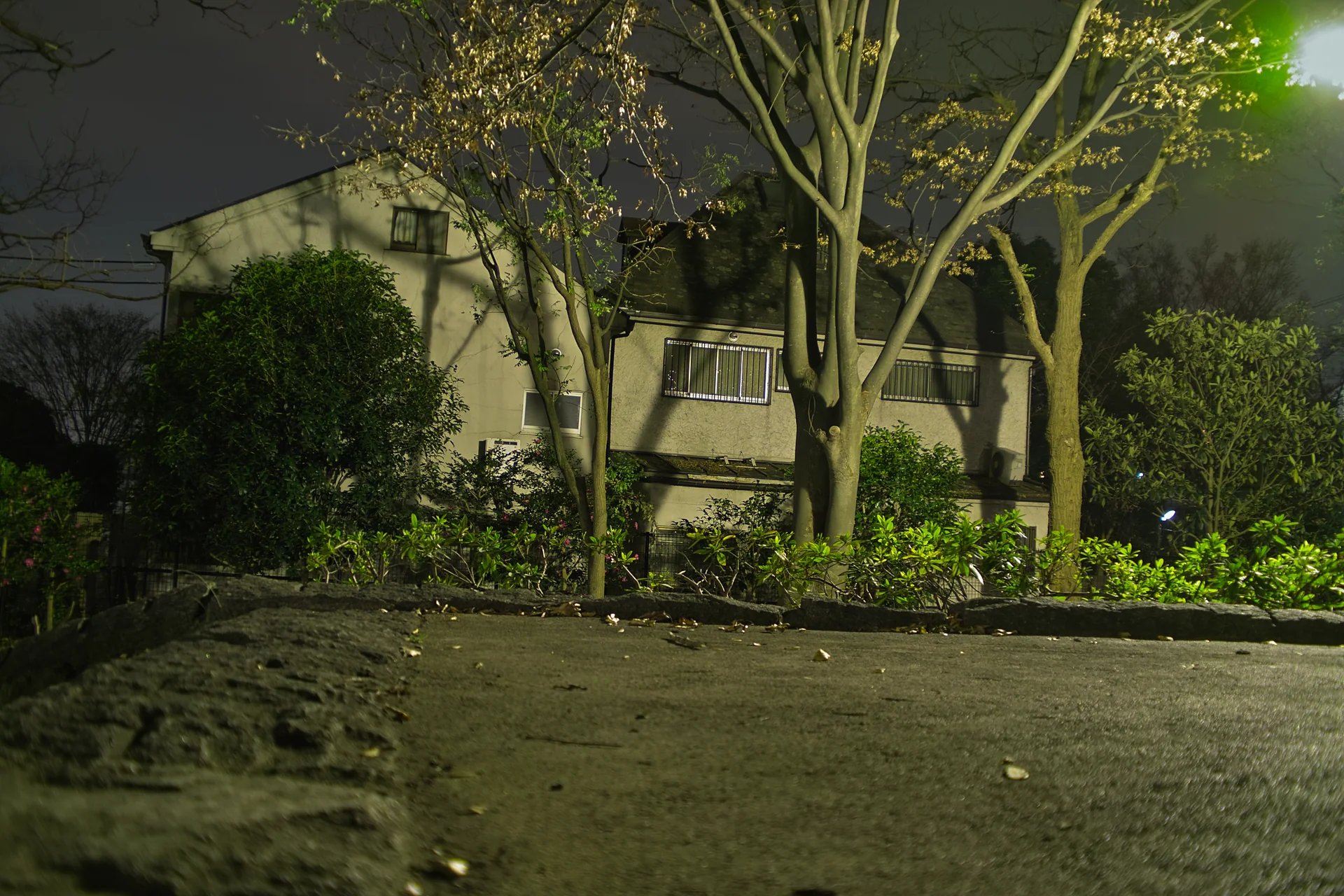
祖師谷公園 世田谷一家殺人事件現場 - Panoramio 63788090.jpg

The Miyazawa home

The house beside Soshigaya Park

The scale

The case in four numbers

4
family members killed
Mikio, Yasuko, Niina, and Rei
¥20M
reward offered
for information leading to an arrest
5
theories mapped
without a public identification
25+
years unresolved
despite extensive trace evidence

The scene and its aftermath

The offender stayed, left evidence, and disappeared

The killings were followed by hours inside the house. Later investigation preserved a remarkable collection of biological traces, fingerprints, clothing, and objects.

See all 4 mapped locations →
  1. 01

    Dec 30, 2000

    Nighttime home invasion and murders

    Between 11:30 p.m. and 12:05 a.m., an intruder killed the four family members inside their home.

  2. 02

    Dec 31, 2000

    Intruder remains in the house for hours

    The killer stayed inside, used the computer and bathroom, ate food, treated injuries, ransacked rooms, and left clothing and other items.

  3. 03

    Dec 31, 2000

    Bodies discovered by Yasuko’s mother

    At 10:40 a.m., Haruko entered the home and found the four victims, prompting a major TMPD investigation.

  4. 04

    Jan 1, 2013

    3D model of residence produced for investigation

    TMPD used 3D printing to create a model of the house to support investigative reconstruction.

  5. 05

    Dec 17, 2021

    Knife purchaser ruled out via DNA

    TMPD reported a person of interest who bought the same knife model was visually identified but excluded after DNA comparison.

  6. 06

    May 27, 2024

    Setagaya Ward motion on DNA usage

    The Setagaya Ward Assembly passed a motion promoting broader investigative use of DNA evidence in Tokyo.

The paradox

More evidence has not meant an identity

1
Strongly supported

The computer use, food consumption, restroom use, and injury treatment indicate the offender remained in the house for hours with unusual composure after the killings.

2
Supported

The continuing police emphasis on the offender's clothing, bag, and shoes shows investigators still view the retained items as among the best remaining paths to identification.

3
Strongly supported

Despite abundant non-victim blood, fingerprints, and personal items left behind, police have not publicly identified the offender.

4
Strongly supported

The strongest public evidence remains biological and physical trace evidence rather than any single narrative about nationality, occupation, or institutional affiliation.

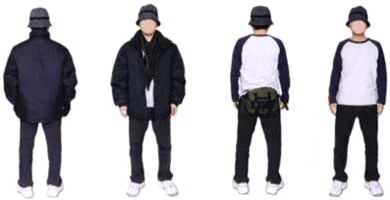
TMPD composite of suspected offender clothing
A
suspect blood type

The offender left a physical profile behind

Blood type, DNA, fingerprints, clothing, a bag, and other retained items give investigators unusually concrete material without a matching person.

Compare what the evidence supports

Where certainty changes

Not every event carries the same weight

Open each layer to see what the archive treats as core, contested, or unresolved.

01EstablishedOne offender left extensive trace evidence
The house contains non-victim blood, fingerprints, clothing, and personal items, alongside a reconstruction of prolonged post-crime behavior.
02InterpretationMotive and offender background remain disputed
Burglary, familiarity, nationality, and behavioral theories each explain only part of the scene and none identifies the killer.
03Open questionWhy has the forensic profile found no match?
The strongest remaining path is physical identification, but decades of comparison and public appeals have not produced a named offender.

Go deeper

Choose your path through the case

This overview is the map. The case tabs hold the underlying events, people, media, locations, and source material.